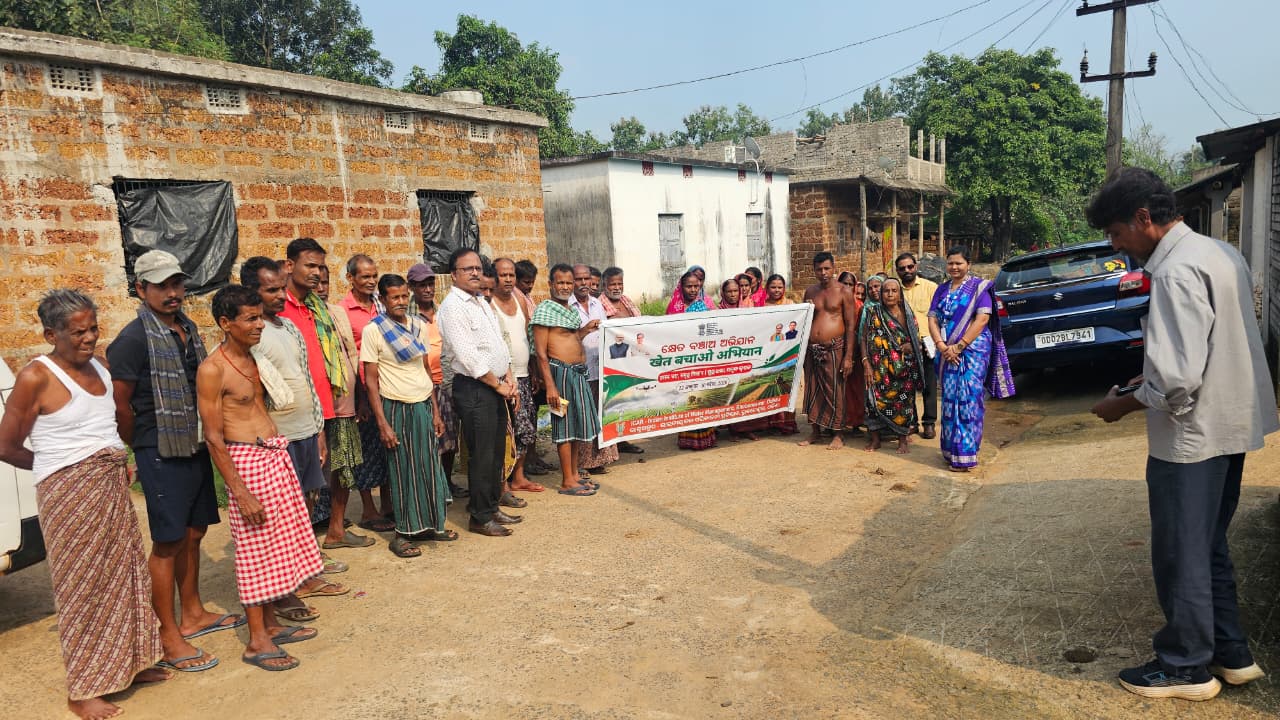
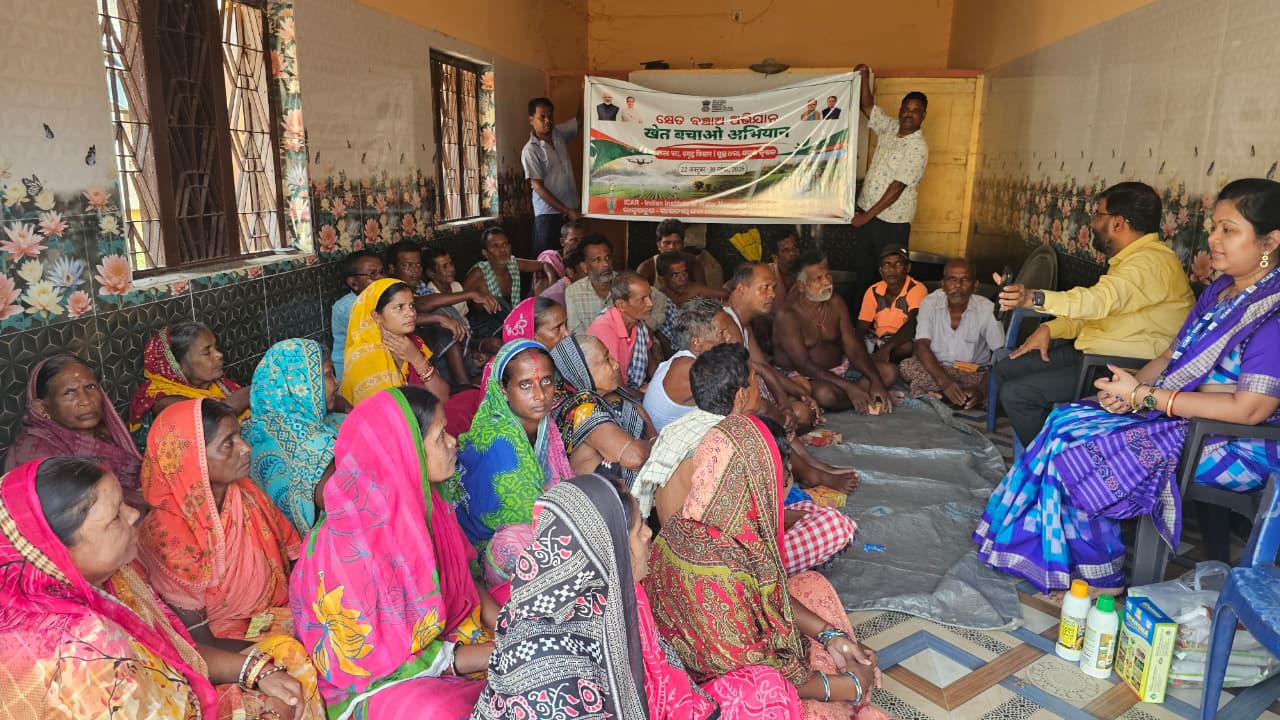
An awareness and farmer interaction programme was organised on 11 November 2026 under the ongoing ‘Khet Bachao Abhiyan – Rabi 2026 at Bankual village, Dhenkanal Sadar Block, Dhenkanal district, Odisha. A total of 51 farmers, comprising 39 men and 12 women, participated in the programme. The initiative aimed to strengthen farmers’ awareness of scientific agricultural practices, sustainable crop production and improved management of soil and water resources during the Rabi season. The programme highlighted the importance of maintaining soil health through balanced fertiliser application, integrated nutrient management and regular assessment of soil fertility. Farmers were educated about the complementary role of organic manures, chemical fertilisers and biofertilisers in improving nutrient availability and sustaining crop productivity. Emphasis was placed on the use of farmyard manure, compost and other locally available organic resources to improve soil structure, enhance water-holding capacity and replenish soil organic matter. The importance of soil testing and applying fertilisers according to crop requirements was also discussed to minimise nutrient losses and avoid unnecessary expenditure on agricultural inputs. Discussions also covered scientific crop management practices, including timely sowing, selection of suitable varieties, quality seed selection, seed treatment, optimum plant population and appropriate intercultural operations. Farmers were sensitised to the importance of regular crop monitoring and timely identification of pest and disease incidence for effective crop protection. The need for adopting integrated pest management practices and avoiding indiscriminate pesticide applications was highlighted. Efficient irrigation and water management formed another important component of the programme. Farmers were made aware of the importance of irrigation scheduling based on crop growth stages and soil moisture conditions. The role of judicious water application in improving water-use efficiency, supporting nutrient uptake and reducing unnecessary irrigation expenditure was explained. The importance of combining appropriate agronomic practices with efficient utilisation of available farm resources was emphasised for achieving better crop performance. The programme also provided a platform for direct interaction between scientists and farmers. Participants shared their field experiences and raised queries related to soil fertility, fertiliser application, crop management and other agricultural problems. The scientists provided practical recommendations and encouraged farmers to adopt need-based, scientifically validated practices suited to their local farming conditions. The programme was conducted by Dr. R. K. Mohanty, Dr. H. K. Dash and Dr. Prativa Sahu, who interacted with the farming community and highlighted the importance of protecting soil health while improving agricultural productivity. The initiative sought to strengthen farmers’ capacity to make informed crop management decisions and promote sustainable agricultural practices at the village level.